Guide to Free Attic Insulation Offers and Reduced Costs
Professional Insulation Installation: Professional Services for Every Need
Insulation has a crucial part in enhancing energy efficiency and comfort within a home. Numerous property owners overlook the nuances of proper installation, which can result in substantial energy loss and increased bills. Professional insulation services provide customized solutions to satisfy specific needs. However, understanding the different types of insulation available and the benefits of expert installation is essential. This knowledge can enable homeowners to make educated decisions about their insulation projects.
Understanding the Value of Correct Insulation
While frequently disregarded, correct insulation serves a vital function in upholding energy efficiency and comfort within a home. It works as a barrier against heat transfer, keeping indoor temperatures stable no matter what external weather conditions. By minimizing the escape of heated or cooled air, insulation substantially cuts the reliance on heating and cooling systems, which can bring about lower energy bills.
Furthermore, appropriate insulation aids in soundproofing, establishing a more serene living environment by decreasing noise from outside and between rooms. This aspect is especially important in urban areas or homes with shared walls.
Furthermore, adequate insulation can assist in avoid moisture gathering, which can cause mold growth and structural damage over time. Homeowners who give priority to insulation not only elevate their living conditions but also shield their investment in the property, maintaining longevity and stability in the housing structure.
Types of Insulation Services Available
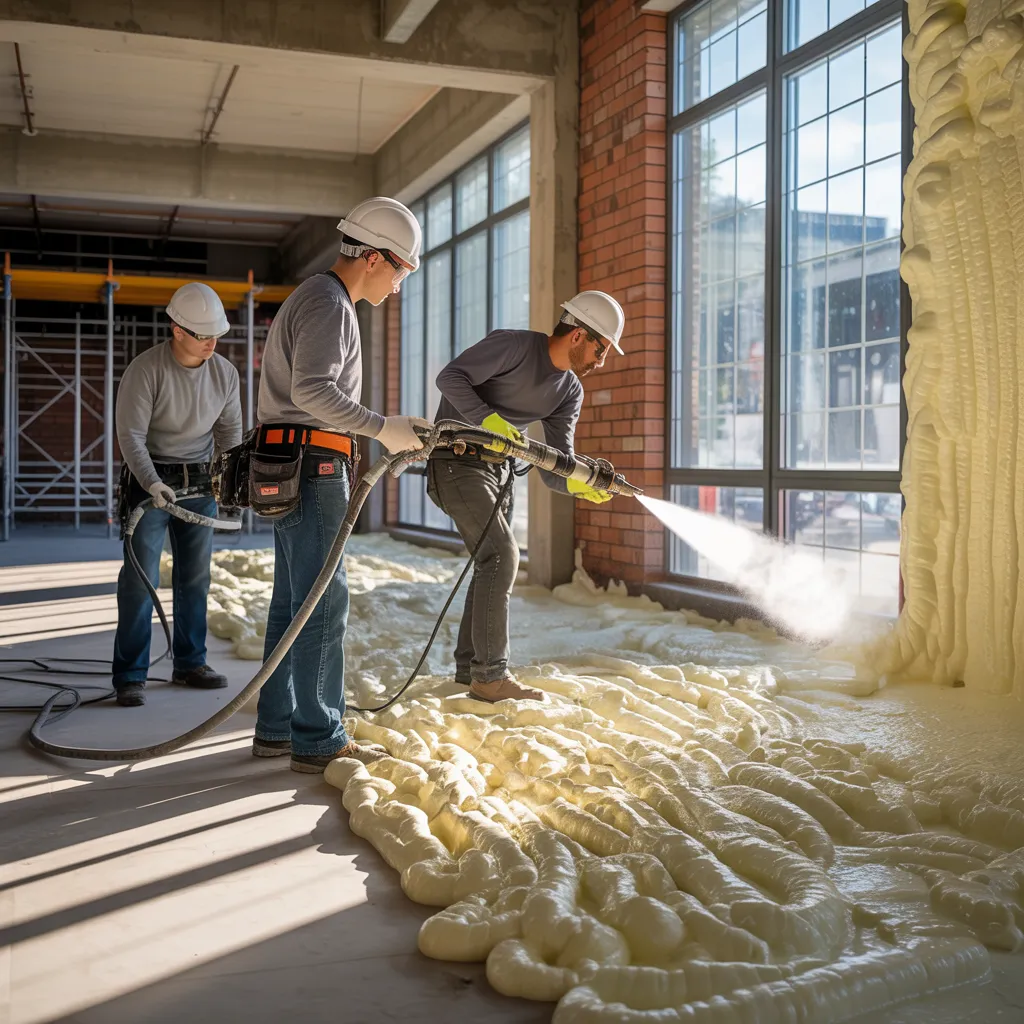
Insulation offerings comprise multiple alternatives customized to fulfill the particular demands of various properties and constructions. Some of the most frequently used options are batt insulation, which consists of pre-cut panels of fiberglass or mineral wool, well-suited for standard stud and joist spacing. Spray foam insulation provides a seamless barrier that expands to fill gaps, delivering outstanding air sealing properties. Blown-in insulation, usually made from cellulose or fiberglass, is ideal for attics and hard-to-reach areas, ensuring thorough coverage. Rigid foam insulation is frequently utilized for exterior walls and foundations due to its elevated insulating value and moisture resistance. Furthermore, reflective or radiant barrier insulation is engineered to minimize heat transfer, especially in warmer climates. All insulation options are intended to improve energy efficiency, comfort, and overall building performance, making it essential to pick the right solution based on particular building requirements and environmental conditions.
Perks of Engaging Expert Insulation Installation Professionals
When homeowners consider insulation installation, employing professional installers can greatly enhance the overall outcome. Professional installers provide expertise and experience, ensuring that the insulation is installed properly and effectively. Their expertise in various insulation types allows them to recommend the best options adapted to the specific needs of each home.
In addition, professionals are equipped with the proper tools and equipment, which can markedly reduce the time required for installation. They also comply with local building codes and safety regulations, decreasing the risk of potential issues.
In addition, working with experts can bring about better energy efficiency, resulting in lower utility bills over time. Qualified technicians often give warranties on their work, providing homeowners with peace of mind concerning the quality and durability of the insulation. In the end, investing in professional insulation installation can save time, money, and stress, creating a more comfortable living environment.
The Insulation Installation Process Explained
A complete understanding of the insulation installation process is crucial for homeowners undertaking this significant home improvement project. The process generally begins with an assessment of the home's existing insulation and identifying areas needing improvement. Professionals conduct measurements and determine the proper type and amount of insulation required based on the particular space.
Afterward, they prepare the installation area by ensuring it is tidy and easy to access. This may involve taking out old insulation and fixing any damaged structures. The installation work can differ depending on the insulation type, whether it's batts, spray foam, or blown-in. Professionals carefully place or apply the insulation, verifying it sits securely in the assigned spaces to enhance effectiveness.
As a final step, contractors carry out a complete inspection to check that the insulation meets safety standards and performs efficiently. Proper installation not only enhances energy efficiency but also supports the overall comfort of the home.
Picking the Correct Insulation for Your House
How might homeowners establish the most suitable insulation for their needs? To make an informed selection, they should take into account several factors, including climate, budget, and the specific areas requiring insulation. Different insulation types—such as fiberglass, foam, and cellulose—offer varying R-values, which measure thermal resistance. In colder climates, higher R-values are recommended, while milder climates may require less insulation.
Property owners need to also examine the installation process, as some materials demand professional installation, while others could be suitable for DIY projects. Additionally, it is vital to evaluate environmental impact; options like recycled cellulose can provide eco-friendly benefits.
Lastly, consulting with insulation specialists can offer tailored recommendations based on a home's individual needs. By thoughtfully examining these elements, homeowners can choose the insulation that best meets their requirements, providing energy efficiency and comfort in their living spaces.
Questions & Answers
How Much Time Does Insulation Installation Usually Take?
Insulation installation generally requires between a refer to this page few hours and a complete day, determined by the size of the area and the kind of insulation utilized. Considerations including accessibility and preparation further impact the timeline.
What Are the Expenses Related to Insulation Installation?
Expenses associated with insulation installation fluctuate considerably, typically ranging from $1 to $3 per square foot. Variables impacting pricing include insulation material, installation complexity, and area-specific labor pricing, affecting the overall budget for the project.
Are There Any Government Incentives for Insulation Setup?
Various governments supply rebates for insulation installation aimed at encouraging energy efficiency. These incentives can change according to location and might rely on the kind of insulation employed, making it essential to research local programs for eligibility details.
Does Insulation Assist With Noise Reduction?
Insulation can considerably aid in noise reduction by taking in acoustic vibrations, thereby minimizing the transmission of noise between spaces. This effect enhances comfort in living and working environments, encouraging a quieter atmosphere overall.
How Should I Get Ready for Installation Day?
To get ready for installation day, it's important to clear the area where insulation will be applied, provide access to the space, take away any impediments, and communicate particular needs or questions to the installation team beforehand.